Insights from Erica Lim贸n-Trefielo, Deputy Director
Washington鈥檚 legislative session closed last month. Now, as the final budget takes effect and implementation begins, one thing stands out to Erica Lim贸n-Trefielo:
This is growing recognition of what students need.
But we are not yet matching that understanding with investment.
鈥淭hroughout the session, we heard consistent acknowledgement that students and families are navigating real challenges, including housing instability, mental health, and basic needs,鈥� Erica reflects. 鈥淏ut the funding outcomes didn鈥檛 match the scale of what鈥檚 actually needed within the ecosystem of public education and community support.鈥�
In the weeks since adjournment, the gap has become clearer. Districts and community partners are beginning to plan for next year under new budget realities, and the question of how far resources will stretch is already front and center.
A Mixed Outcome for Student Stability
So, did this session move Washington closer to stability for students?
鈥淚t鈥檚 a mix,鈥� Erica says. There were meaningful steps forward.
passed and was signed into law, codifying McKinney-Vento protection into Washington state law for students experiencing homelessness.
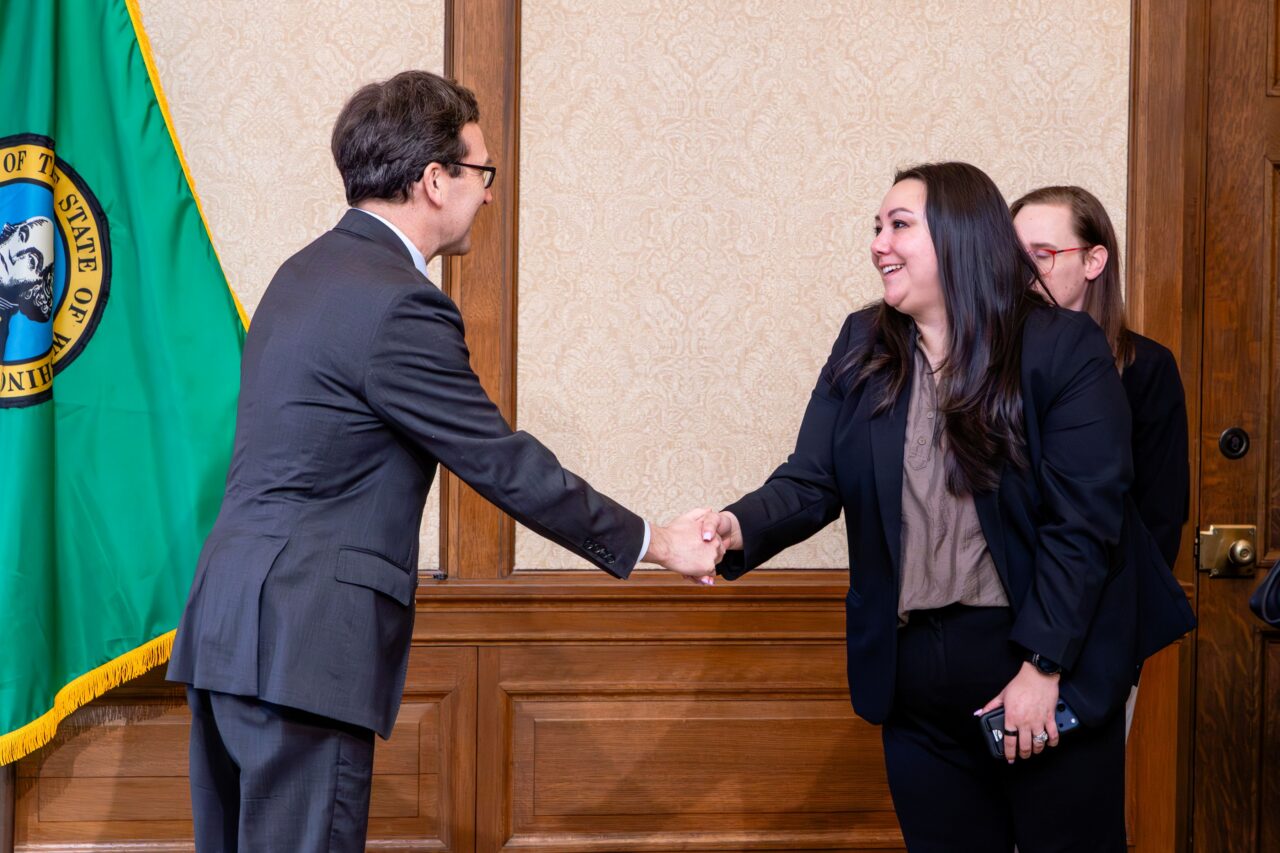
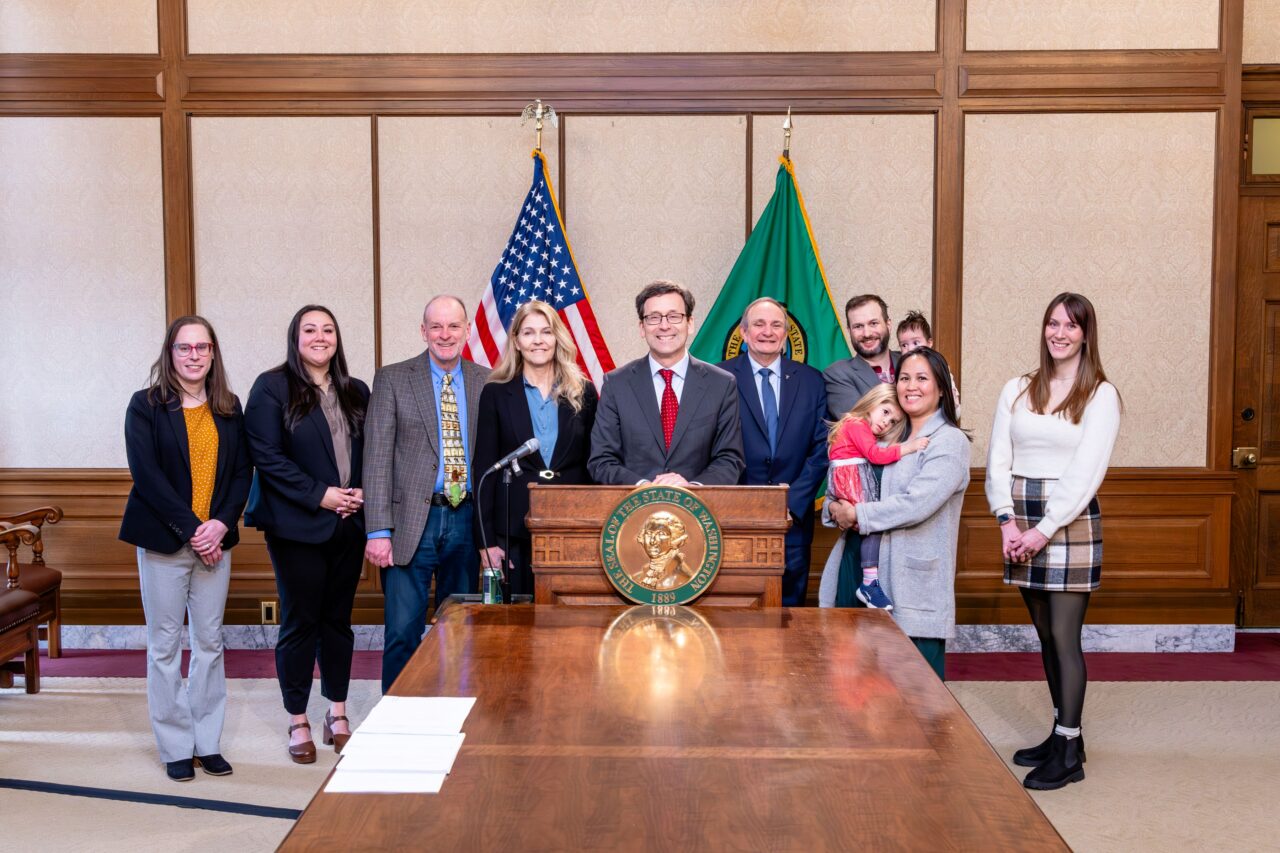
As Representative Reeves, who sponsored the bill, recently noted in a , 鈥淲e鈥檙e basically just saying that if the federal government were to step back from those obligations, that the state would step up.鈥�
鈥淥n a day-to-day level, this doesn鈥檛 change services for students,鈥� Erica explains. 鈥淏ut it does strengthen the durability of those protections. It ensures they are not dependent on federal policy shifts and creates more consistency and accountability across districts.鈥�
The importance of that durability is underscored by the scale of need. The number of students identified as homeless under the McKinney-Vento program in Washington has grown steadily over the past decade, reaching more than 48,000 students in recent years. Nationally, Washington is among the top 10 states with the highest rates of student homelessness. Within Communities in Schools of Washington, the need is more concentrated. Of the 6,500+ students receiving individualized supports, 10% (650+) are navigating housing instability during this same period.
The final operating budget also included several important student-focused investments:
- Continued funding for the Homeless Student Stability Program
- Support for ninth grade success initiatives
- Investment in educational outcomes for students in foster care
- Expansion of school-based behavioral health supports
鈥淭hese are important,鈥� Erica notes. 鈥淭hey reflect an understanding that students’ well-being and academic success are deeply connected.鈥�
But the progress came alongside real setbacks.
The legislature reduced Local Effort Assistance (LEA) enhancement funding from $250 to $150 per student, as proposed in the Governor鈥檚 budget.
鈥淔or districts with lower property wealth, LEA is a critical tool,鈥� Erica says. 鈥淚t helps sustain staffing and student-facing support like attendance outreach, family engagement, and coordination of basic needs. Reducing its limits flexibility in systems that are already stretched thin.鈥�
The budget also included cuts that raise concern across the education ecosystem, including reductions to transition to kindergarten programs, Running Start, and a six percent reduction in statewide programs administered by OSPI.
More broadly, she adds; the system remains inconsistent.
鈥淪tability requires consistency. Right now, too much of what supports students in still reliant on short-term or uncertain funding streams.鈥�
What Didn鈥檛 Move and Why It Matters
This session also revealed how quickly priorities can shift under budget pressure.
鈥淲hat surprised me most was how quickly things changed in the final weeks,鈥� Erica says. 鈥淭here were proposals with strong early momentum that simply didn鈥檛 move forward once fiscal constraints tightened.鈥�
One of the most notable examples was , which would have created a formal framework for youth development funding.
SB 5992 did not pass after failing to advance before the cutoff for bills in the opposite chamber. While the bill had early support, its fiscal note and the broader budget environment made it difficult to move forward in a short session.
鈥淭he bill was designed to create structure, not just immediate funding,鈥� Erica explains. 鈥淏ut in a constrained budget year, it is harder for those types of proposals to advance.鈥�
In the weeks since the session ended, the absence of these investments has become more visible. Without a dedicated funding structure for youth development and prevention, many supports remain fragmented and dependent on local capacity.
鈥淲hat this highlights is the moment we鈥檙e in,鈥� Erica says. 鈥淲e are still operating in a very reactionary system. We invest in the aftermath of challenges rather than preventing them.鈥�
At the same time, she notes an encouraging shift.
鈥淭here is growing bipartisan recognition that students’ well-being and academic success are deeply interconnected. That understanding is there. It just hasn鈥檛 fully translated into funding decisions yet.鈥�
What Students Will Actually Experience
For most students, the outcomes of this session will not feel immediate.
鈥淭he biggest impact to the system happened in the prior year’s budget,鈥� Erica shares. 鈥淲hat students will experience now is the continuation of the system that is still uneven.鈥�
Some students will continue to benefit from targets supports.
Others will depend on whether their school or district has the resources to provide the same support consistently.
鈥淔or students experiencing homelessness or foster care, protections and programs remain in place, which matters,鈥� Erica adds. 鈥淏ut there are still real gaps, especially in access to integrated supports like mental health, basic needs, and case management.鈥�
As schools and partners begin preparing for the next academic year, those gaps are becoming more visible in planning conversations and resource decisions.
The Role of Community and Why it Matters
Throughout the session, 黑料不打烊WA worked to ensure that students experiences were reflected in policy conversations.
鈥淲e showed up as connectors, advocates, and storytellers,鈥� Erica nodded. 鈥淥ur role is to bring what鈥檚 happening in schools and communities across the state into conversations with decision-makers.鈥�
That includes sharing real examples of the barriers students are facing everyday:
- Transportation Challenges
- Lack of Access to clothing or basic supplies
- Housing instability
鈥淭hese aren鈥檛 abstract issues,鈥� Erica emphasized. 鈥淭hey directly impact whether a student can show up and engage in school.鈥�
She points to site coordinators as a critical part of the equation.
鈥淚n many cases, they are the reason a student comes to school at all. They are what make basic education possible for students navigating significant barriers.鈥�
The Work Ahead
If Erica had to summarize this session in one sentence: Work in progress.
鈥淲ashington has an understanding of what students need,鈥� she says. 鈥淏ut we have a long road ahead to fund those needs in a way that is consistent and sustainable.鈥�
Looking ahead, key priorities include:
- Sustainable funding for student supports
- Revisiting Local Effort Assistance
- Building a youth development funding structure
- Addressing Chronic Absenteeism through both accountability and support
At the same time, broader conversations are continuing about the state鈥檚 revenue structure, including the implementation and legal scrutiny of the state鈥檚 new wealth-based tax policies.
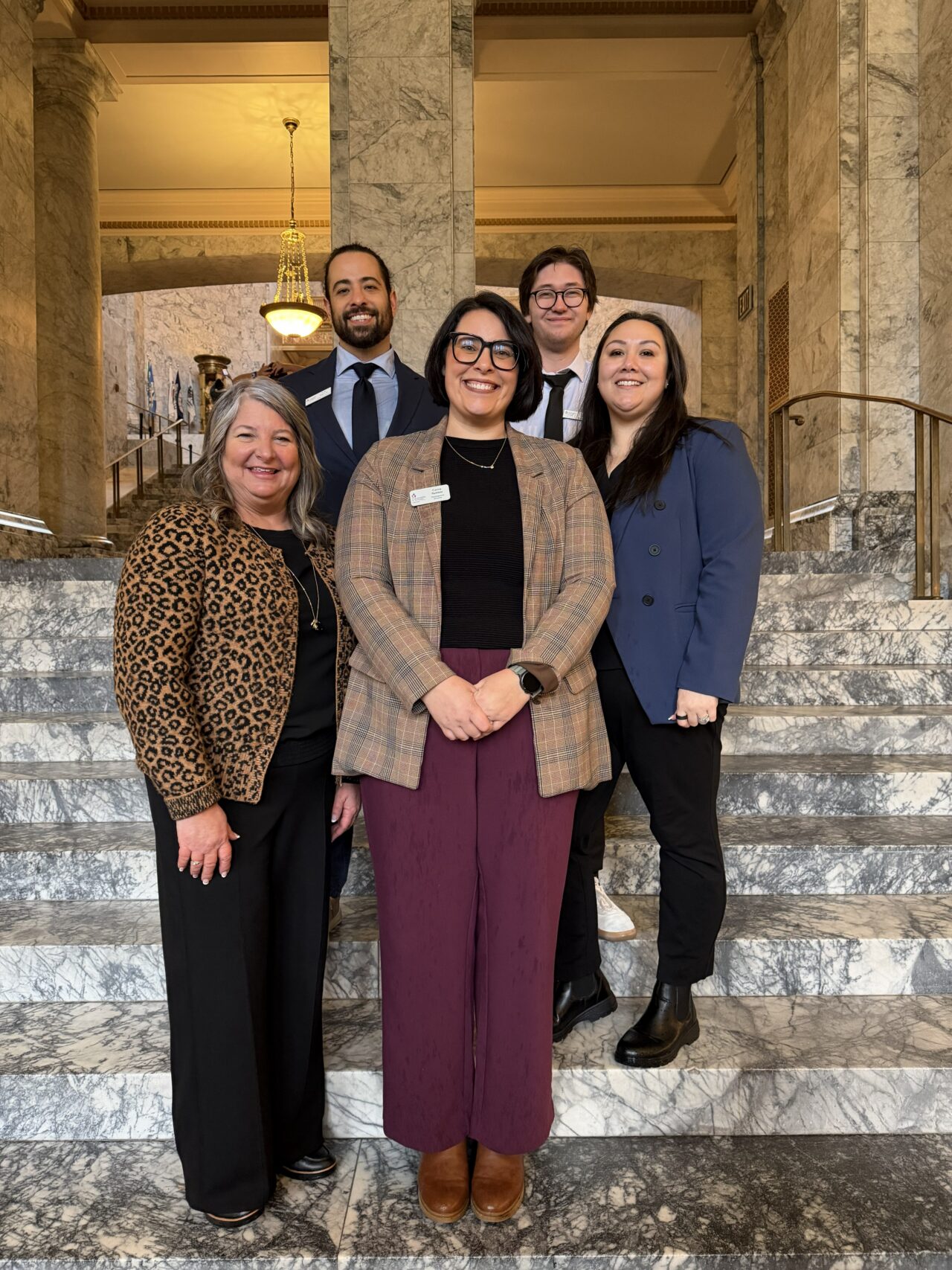
A Reason for Hope
Despite the challenges, 黑料不打烊WA remains hopeful.
鈥淲hat gives us hope is the growing recognition of the ecosystem surrounding K-12 education… There鈥檚 an understanding that these supports are not extra. They are foundational for young people,鈥� Erica says.
This session may not have fully delivered that understanding, but it moved the conversation forward, and if we want different outcomes for students, investments need to happen earlier and more intentionally. Because ultimately, students success depends on something simple:
Whether a student has the stability to walk into schools every day ready to learn. And that is something Washington still has the opportunity to build.